- 31/10/2025
- Dr. Srivatsan Gurumurthy
- 0 Comments
- Blog
10 Tips to Prevent Hemorrhoids Naturally
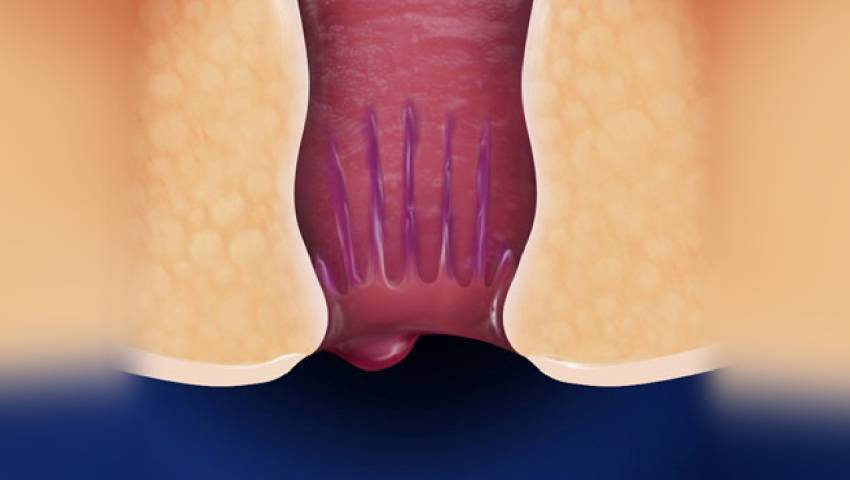
Hemorrhoids, commonly known as piles, are swollen veins in the lower rectum and anus that cause discomfort, itching, pain, and sometimes bleeding. They are extremely common, especially among adults over the age of 30, and can result from increased pressure in the lower rectum due to straining during bowel movements, chronic constipation, sitting for long periods, or pregnancy. While hemorrhoids can be treated effectively through medications, laser, or minimally invasive procedures, the good news is that they can often be prevented naturally. According to Dr. Srivatsan Gurumurthy, a leading Robotic GI Surgeon in Chennai, making a few simple changes in your daily routine, diet, and lifestyle can significantly lower your risk of developing hemorrhoids and help maintain good digestive health.
Here are 10 proven and practical tips to prevent hemorrhoids naturally:
1. Eat a High-Fiber Diet:
One of the most important steps to prevent hemorrhoids is to increase your fiber intake. A fiber-rich diet helps soften the stool and adds bulk, making bowel movements easier and reducing strain on the rectal veins. Straining during bowel movements is one of the main causes of hemorrhoids.
Include these fiber-rich foods in your daily diet:
- Whole grains such as oats, brown rice, whole wheat, and barley
- Fresh fruits like papaya, apples, pears, guava, and bananas
- Vegetables like carrots, spinach, beans, broccoli, and sweet potatoes
- Legumes and lentils such as chickpeas, rajma, and toor dal
Try to consume at least 25–30 grams of dietary fiber daily. If you find it difficult to meet this through food alone, fiber supplements (like psyllium husk or isabgol) can also be helpful after consulting your doctor.
2. Stay Well Hydrated:
Water plays a crucial role in maintaining digestive health. Drinking plenty of water helps soften stools and prevent constipation — one of the key triggers of hemorrhoids.
Aim for: 8–10 glasses of water daily.
Avoid excessive consumption of caffeine, alcohol, and carbonated drinks, as they can lead to dehydration and worsen constipation. Hydration also helps fiber work effectively in your digestive system.
3. Avoid Straining During Bowel Movements:
Straining while passing stool increases pressure in the veins of your lower rectum, which can lead to the formation of hemorrhoids. Go to the toilet as soon as you feel the urge — do not delay bowel movements. Waiting can cause stool to harden, making it more difficult to pass later.
Also, avoid sitting on the toilet for too long, as this position puts extra pressure on the rectal veins. Reading or using your phone while sitting on the toilet can unconsciously extend your time there — a habit best avoided.
4. Exercise Regularly:
Regular physical activity improves blood circulation, promotes digestion, and helps prevent constipation. Exercise also helps you maintain a healthy weight, which reduces pressure on the rectal and pelvic veins.
Simple exercises that help include:
- Walking or brisk walking for 30 minutes a day
- Yoga poses such as Pawanmuktasana and Vajrasana
- Swimming or light cycling
Avoid heavy weightlifting without proper technique, as this can increase abdominal pressure and trigger hemorrhoids.
5. Don't Sit for Long Periods:
Sitting for long hours, especially on hard surfaces, increases pressure on the anal area and can lead to hemorrhoids. This is particularly common among people who work at desks for extended periods.
Tip: Take a short break every hour — stand up, stretch, or walk around for 2–3 minutes. Using a cushion or soft seating can also help reduce strain.
6. Maintain a Healthy Weight:
Being overweight or obese increases abdominal pressure and the risk of hemorrhoids. Following a balanced diet, managing portion sizes, and staying physically active help maintain a healthy weight and prevent several digestive problems, including piles.
7. Use the Toilet Properly:
If you experience constipation, try using a footstool while sitting on the toilet. Elevating your feet slightly (to create a squatting position) helps align the rectum naturally, making bowel movements easier and reducing strain. This small change in posture can significantly lower the risk of hemorrhoids.
8. Avoid Heavy Lifting:
Lifting heavy weights increases intra-abdominal pressure, which can cause or worsen hemorrhoids. When lifting, always use proper technique — bend your knees, keep your back straight, and exhale during the lift. If possible, avoid lifting excessively heavy loads altogether.
9. Include Probiotics in Your Diet:
A healthy gut helps prevent constipation and maintain smooth digestion. Probiotics, the “good” bacteria in your intestines, support gut health and regular bowel movements.
Probiotic-rich foods include:
- Curd or yogurt
- Buttermilk
- Fermented foods like idli, dosa, kimchi, or kefir
Regular intake of these foods promotes a balanced gut flora and improves digestion.
10. Keep the Anal Area Clean and Dry:
Good hygiene prevents irritation and infection, especially if you are prone to piles. Gently clean the anal area with mild, unscented wipes or water after bowel movements. Avoid harsh soaps or excessive rubbing. Keeping the area clean and dry prevents itching and discomfort.
Bonus Tip: Recognize Early Symptoms
Early symptoms of hemorrhoids include itching, mild pain, small amounts of bleeding after bowel movements, or swelling around the anus. Don’t ignore these warning signs. Early treatment with dietary and lifestyle changes can prevent the condition from worsening.
Final Thoughts:
Hemorrhoids are not just a result of poor diet — they reflect lifestyle imbalances. Adopting a fiber-rich diet, staying hydrated, exercising regularly, and maintaining healthy bowel habits can go a long way in preventing piles naturally.
If you experience persistent pain, bleeding, or discomfort despite these preventive measures, it’s important to consult a Gastrointestinal or Colorectal Surgeon. Early diagnosis and treatment can prevent complications and ensure faster recovery.
As a Robotic and GI Surgeon at GEM Hospital, Chennai, I have seen how preventive care and lifestyle changes can make a remarkable difference. By taking proactive steps today, you can protect yourself from the discomfort and complications of hemorrhoids tomorrow.If you’re experiencing symptoms or need expert guidance on hemorrhoid prevention and treatment, book an appointment with Dr. Srivatsan Gurumurthy for personalized care and effective solutions.