- 20/08/2026
- Dr. Srivatsan Gurumurthy
- 0 Comments
- Blog
Obesity and GI Cancer: What Every Family Should Know?
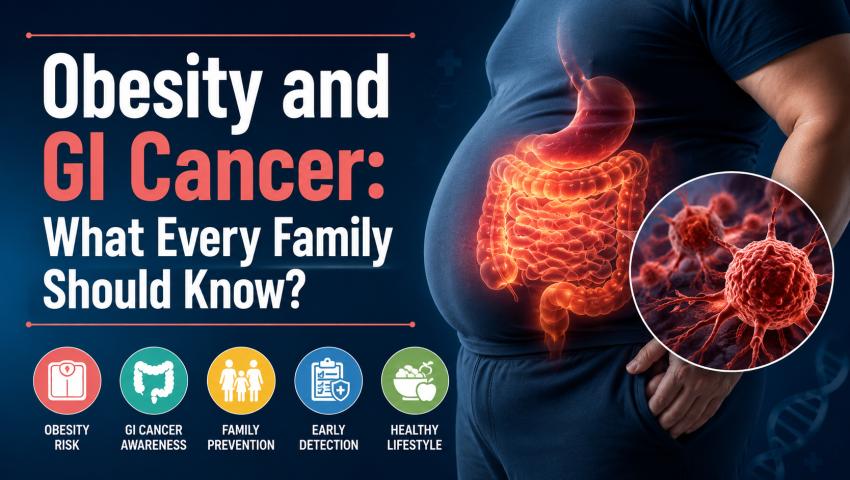
As a GI cancer surgeon in Chennai, I often see patients who think of obesity as just a “lifestyle issue” — something that affects energy levels, joint pain, or diabetes risk. But here’s the hook every family needs to hear: obesity is now one of the strongest and most preventable risk factors for gastrointestinal (GI) cancers, including colon, liver, pancreatic, stomach, and oesophageal cancer. And with obesity rates in India rising steadily across cities like Chennai, this connection is no longer a “Western problem” — it’s very much an Indian one too.
Dr Srivatsan Gurumurthy, a Surgical Gastroenterologist in Chennai practising at SS Surgical Clinic, comes across this pattern often in his day-to-day practice, having helped countless families understand and manage exactly these concerns. This blog answers the questions families ask most often — in simple, no-jargon terms.
How Is Obesity Linked to GI Cancer?
Obesity isn’t just “extra weight” — it’s chronic, low-grade inflammation running in the background. Excess fat, especially around the belly, releases hormones and inflammatory chemicals that damage cells over time.
- Inflammation damages DNA slowly, over years
- Insulin resistance fuels abnormal cell growth
- Hormonal imbalance raises oestrogen levels
- Gut bacteria changes add to inflammation in the colon and liver
This is the core reason excess weight and cancer risk are so closely linked.
Which GI Cancers Are Associated With Obesity?
Obesity-related cancers of the digestive system include:
- Colorectal (colon and rectal) cancer
- Liver cancer
- Pancreatic cancer
- Stomach (gastric) cancer
- Oesophageal cancer
- Gallbladder cancer
How Does Obesity Increase the Risk of Colorectal Cancer?
Obesity and colon cancer are connected through raised insulin, chronic gut inflammation, and altered bile acid activity.
- Belly fat (visceral fat) raises risk more than overall body weight
- Among common colon cancer causes: obesity, low-fibre diet, smoking, sedentary habits, family history
- Larger waist circumference = higher obesity and bowel cancer risk
What Is the Link Between Obesity and Liver Cancer?
Obesity and liver cancer are connected mainly through non-alcoholic fatty liver disease (NAFLD), a condition that has become increasingly common as obesity rates rise across India. Fat builds up in the liver over years → inflammation → scarring (fibrosis) → cirrhosis
- NAFLD often has no symptoms in early stages, which is exactly why it goes undiagnosed for so long
- People with diabetes or high cholesterol alongside obesity carry an even higher risk
- Routine scans/blood tests can catch it before it progresses, so periodic liver check-ups are worth prioritising even without any complaints
Does Obesity Increase the Risk of Pancreatic Cancer?
Yes. Obesity and pancreatic cancer share a well-documented link through insulin resistance and chronic pancreatic inflammation. The pancreas plays a central role in regulating blood sugar, and when the body’s insulin system is under constant strain due to excess weight, the pancreatic tissue itself bears the brunt of that pressure over time.
- Watch for: unexplained weight loss, persistent abdominal discomfort, new digestive changes, or a sudden onset of diabetes in someone with no prior history
- These symptoms are easy to dismiss as everyday indigestion, which is part of why this cancer is so often caught late
- As a Surgical Gastroenterologist in Chennai, Dr. Srivatsan Gurumurthy notes this cancer is hard to catch early — prevention matters more here than almost anywhere else, and that starts with managing weight and metabolic health proactively.
Can Obesity Increase the Risk of Stomach and Oesophageal Cancer?
The stomach and oesophagus sit right next to each other, and obesity affects both in slightly different but connected ways.
- Obesity and stomach cancer are linked mainly to cardia gastric cancer (near the stomach-oesophagus junction), rather than cancers occurring elsewhere in the stomach
- Long-term, untreated reflux can cause Barrett’s oesophagus, a known precancerous condition where the oesophageal lining changes shape and composition
- Managing weight alongside reflux symptoms — rather than treating just one of the two — tends to give the best long-term protection
Can Weight Loss Reduce the Risk of GI Cancer?
Yes — this is the encouraging part. Even modest, sustained weight loss helps, and the benefits show up at a biological level, not just on the weighing scale.
- 5–10% body weight loss lowers inflammation and insulin levels meaningfully, and studies have linked this to a measurable drop in cancer-related risk markers
- The key word here is sustained — crash diets that lead to repeated weight regain don’t offer the same protective benefit
- Many patients explore this with a Robotic Surgeon in Chennai, since minimally invasive techniques mean faster recovery, smaller incisions, and fewer complications compared to traditional open surgery
What Are the Warning Signs of GI Cancer?
Don’t ignore these, especially if obesity or other risk factors are present:
- Unexplained weight loss
- Persistent abdominal pain or bloating
- Blood in stool, or black/tarry stools
- Difficulty swallowing or ongoing heartburn
- Yellowing of skin or eyes (jaundice)
- Bowel habit changes lasting weeks
- Unexplained fatigue or anaemia
These symptoms don’t confirm cancer — but they do mean it’s time for a check-up.
How Can Families Reduce the Risk of Obesity-Related GI Cancer?
- Eat more fibre: vegetables, fruits, whole grains; less processed/red meat
- Move daily: 150+ minutes of moderate activity weekly, as a family
- Cut alcohol, avoid tobacco: both sharply raise risk in obesity
- Track obesity BMI and classification: know where you stand
- Screen regularly: especially with family history of GI cancer
- Start early with kids: habits formed young last longest
If a scan or symptom raises concern, consulting a Surgical Gastroenterologist in Chennai early can help catch issues while they are still easily manageable.
Key Takeaways:
- Obesity drives GI cancer risk through inflammation, insulin resistance, and hormonal changes
- Colon, liver, pancreatic, stomach, and oesophageal cancers are all linked to excess weight
- Weight loss — even modest — measurably lowers risk
- Warning signs shouldn’t be brushed aside; early screening saves lives
- Family-wide lifestyle changes work better than individual effort
If any of these warning signs sound familiar, book an appointment early — timely screening makes all the difference
Conclusion:
The link between obesity and GI cancer is strong — but so is our ability to prevent it. Small, consistent changes at home, paired with timely check-ups, go a long way in protecting your family’s long-term health.
Dr Srivatsan Gurumurthy at SS Surgical Clinic in Chennai brings deep expertise in diagnosing and managing obesity-related GI conditions — from early screening to advanced treatment. As a trusted Robotic Surgeon in Chennai, he offers families modern, minimally invasive options when surgical care becomes necessary.
Frequently Asked Questions:
Obesity is a recognized risk factor for over a dozen cancers, including several GI cancers — colon, liver, pancreatic, stomach, oesophageal, and gallbladder cancer — along with cancers outside the digestive system like breast and kidney cancer.
Excess body fat triggers chronic low-grade inflammation, insulin resistance, and hormonal imbalances (like raised oestrogen levels) — all of which can damage cells over time and encourage abnormal cell growth.
Yes. Visceral (belly) fat is more metabolically active and inflammatory than fat stored elsewhere, which is why waist circumference is often a stronger risk indicator than overall BMI for cancers like colorectal cancer.
Yes — even a modest 5–10% reduction in body weight can meaningfully lower inflammation and insulin levels, which are directly tied to cancer risk. The key is that the weight loss needs to be sustained, not a short-term crash diet.
Dr. Srivatsan Gurumurthy, a GI Cancer Surgeon in Chennai, offers consultations and screening at SS Surgical Clinic and Apollo Hospitals, Teynampet — book an appointment early if you notice any warning signs.