- 30/04/2026
- Dr. Srivatsan Gurumurthy
- 0 Comments
- Blog
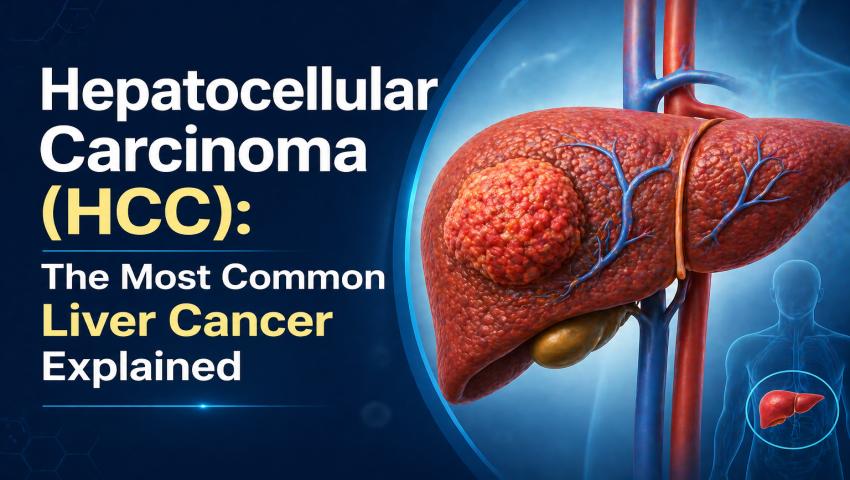
Hepatocellular Carcinoma (HCC): The Most Common Liver Cancer Explained
Liver cancer is one of the most serious cancers in the world. In India, its incidence is rising steadily. The most common type of liver cancer is Hepatocellular Carcinoma, commonly known as HCC.
HCC develops from the main cells of the liver called hepatocytes. It is often diagnosed at an advanced stage, making it difficult to treat. However, with early detection and expert surgical care, patients can achieve excellent outcomes.
If you or a loved one has been diagnosed with liver cancer, it is important to consult a trusted liver cancer surgeon in Chennai without delay. Early action saves lives.
What Is Hepatocellular Carcinoma (HCC)?
Hepatocellular Carcinoma is a primary liver cancer. This means it begins in the liver itself — not in another organ that has spread to the liver.
HCC is the sixth most common cancer globally and the third leading cause of cancer-related deaths. In Asia and Africa, it is especially prevalent due to the high burden of hepatitis B and C infections.
The liver performs over 500 essential functions in the body. When cancer develops in it, it disrupts these functions and spreads to other organs if not treated in time.
Who Is at Risk of Developing HCC?
Several risk factors increase the chances of developing HCC. Understanding them can help in early prevention and screening.
- Chronic Hepatitis B or C infection — These viral infections are the leading cause of HCC in India.
- Liver cirrhosis — Scarring of the liver from any cause increases HCC risk significantly.
- Non-alcoholic fatty liver disease (NAFLD) — A growing concern in urban India due to poor diet and sedentary lifestyle.
- Excessive alcohol consumption — Long-term alcohol use damages liver cells and can trigger cancerous changes.
- Aflatoxin exposure — A toxin found in contaminated grains and groundnuts, common in rural areas.
- Diabetes and obesity — These conditions promote liver inflammation and increase cancer risk.
If you fall into any of these categories, regular liver screening is strongly recommended. A skilled gastroenterologist in Chennai can guide you on the right screening protocol.
Symptoms of Hepatocellular Carcinoma:
One of the most challenging aspects of HCC is that it often shows no symptoms in its early stages. By the time symptoms appear, the cancer may already be at an advanced stage.
Common symptoms include:
- Unexplained weight loss
- Loss of appetite and nausea
- Upper right abdominal pain or discomfort
- Swelling in the abdomen (ascites)
- Jaundice — yellowing of the skin and eyes
- Fatigue and general weakness
- Enlarged liver felt on physical examination
Do not dismiss these signs. Visit a specialist if you experience any of these symptoms, especially if you have known liver disease.
How Is HCC Diagnosed?
Early and accurate diagnosis is the key to successful treatment. HCC is diagnosed using a combination of blood tests, imaging, and in some cases, biopsy.
- Alpha-fetoprotein (AFP): A blood marker elevated in many HCC patients. It is used alongside imaging.
- Ultrasound: The first-line screening tool for high-risk individuals, done every six months.
- CT Scan and MRI: These provide detailed images of the liver. They help confirm the diagnosis and assess the size and spread of the tumour.
- Liver Biopsy: Done in select cases where imaging is inconclusive. A tissue sample is taken for analysis.
Once diagnosed, HCC is staged from Stage 1 (small, localised tumour) to Stage 4 (spread to other organs). Treatment planning depends heavily on the stage.
Liver Cancer Treatment in Chennai: What Are Your Options?

Surgical Resection:
For early-stage HCC, surgical removal of the tumour is the most effective treatment. This is called liver resection. It offers the best chance of a cure when performed by an expert surgeon. As a leading robotic GI cancer surgeon in Chennai, Dr. S. Srivatsan Gurumurthy performs minimally invasive liver resections using laparoscopic and robotic techniques. These approaches reduce blood loss, pain, and recovery time significantly.
Liver Transplantation:
For patients with cirrhosis and small tumours meeting specific criteria (Milan criteria), liver transplantation is an excellent option. It removes both the cancer and the diseased liver simultaneously.
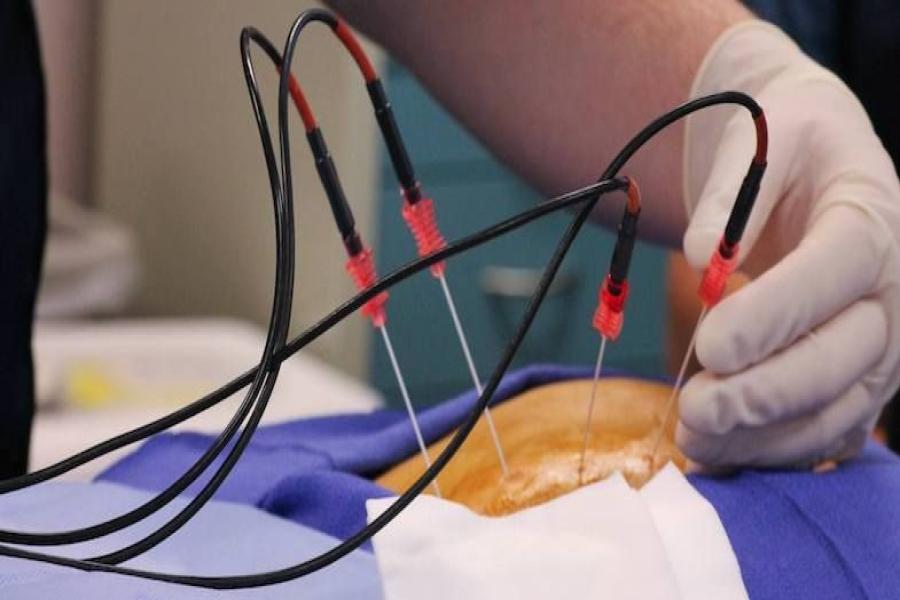
Ablation Therapy:
For patients who cannot undergo surgery, ablation is used. Radiofrequency ablation (RFA) uses heat to destroy cancer cells. Microwave ablation is another option. These are done under imaging guidance.
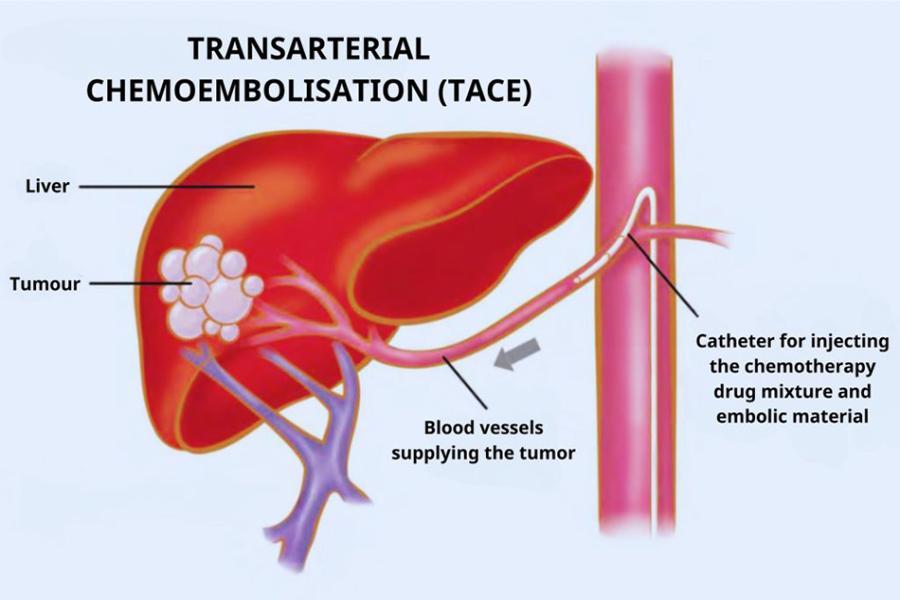
Trans-Arterial Chemoembolisation (TACE):
TACE delivers chemotherapy directly to the tumour through its blood supply. It is used for intermediate-stage HCC. It slows tumour growth and can shrink it before surgery.
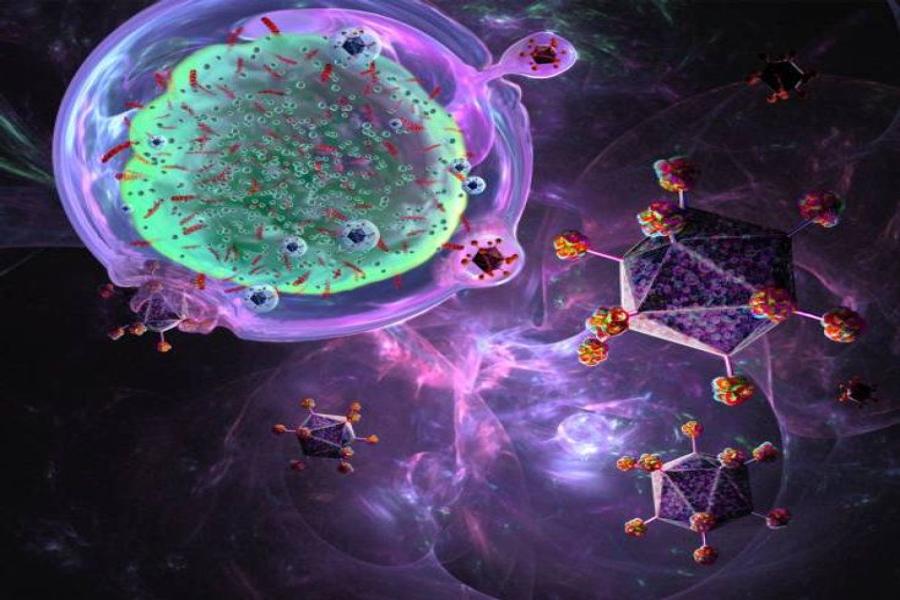
Targeted Therapy and Immunotherapy:
For advanced HCC, systemic treatments like sorafenib, lenvatinib, and immunotherapy agents are used. These are oral or intravenous medicines that slow cancer progression and improve survival.
Why Robotic Surgery Is a Game Changer for Liver Cancer?
Robotic surgery has transformed liver cancer treatment in India. It offers surgeons a 3D high-definition view inside the body. The robotic arms move with precision that human hands alone cannot achieve.
As a highly trained robotic surgeon in Chennai, Dr. S. Srivatsan Gurumurthy uses the da Vinci Si Surgical System to perform complex liver surgeries. This system allows him to work in tight spaces with minimal tissue damage.
The advantages of robotic liver surgery include:
- Smaller incisions and minimal scarring
- Significantly reduced blood loss
- Lower risk of infection
- Shorter hospital stay
- Faster recovery and return to normal life
- Greater precision in removing tumours near critical structures
For patients seeking the best liver cancer treatment in Chennai, robotic surgery offers a world-class solution right here in Tamil Nadu.
Can HCC Be Prevented?
Yes. Many cases of HCC are preventable. Here are important steps to reduce your risk:
- Get vaccinated against Hepatitis B.
- Get tested and treated for Hepatitis C early.
- Avoid excessive alcohol consumption.
- Maintain a healthy weight with a balanced diet and regular exercise.
- Avoid exposure to aflatoxins by storing food properly.
- Go for regular liver check-ups if you have cirrhosis or chronic hepatitis.
Prevention and early detection together offer the best protection against HCC.
Why Choose Dr. S. Srivatsan Gurumurthy for Liver Cancer Surgery?
Dr. S. Srivatsan Gurumurthy is a Senior Consultant Surgical Gastroenterologist and the Clinical Lead for Advanced Laparoscopic and Robotic GI Oncosurgery at Apollo Super Speciality Hospital, Chennai.
With over 17+ years of experience, he holds an MS in General Surgery, DNB in GI Surgery, FMAS, and FMIAS. He has co-authored 34 research papers in prestigious international journals. He has presented at world-renowned conferences in Geneva, Seoul, and Mumbai.
Dr. S. Srivatsan Gurumurthy has been invited as a live surgery faculty at international conferences including AMASICON and the Sri Lankan Surgical Society Annual Conference. His expertise spans robotic and laparoscopic surgeries for liver, pancreas, stomach, colon, and oesophagus cancers.
He also consults at SS Surgical Clinic, Mylapore, Chennai — making expert liver cancer care accessible across the city.
Conclusion:
Hepatocellular Carcinoma is a serious condition. But it is not a death sentence. With early detection, advanced surgical techniques, and personalised care, many patients achieve long-term remission.
If you or a family member is at risk or showing symptoms, do not wait. Speak to an expert today. Dr. S. Srivatsan Gurumurthy is one of Chennai’s most trusted names in liver cancer care — combining surgical excellence with genuine compassion.
📍 Book Your Consultation Today:
- Address: Apollo Super Speciality Hospital, 320, Anna Salai, Teynampet, Chennai – 600035
- Address: SS Surgical Clinic, 2nd Main Rd, CIT Colony, Mylapore, Chennai – 600004
- Phone: 96772 31111
- Email: drsrivatsan12@gmail.com