- 13/07/2026
- Dr. Srivatsan Gurumurthy
- 0 Comments
- Blog
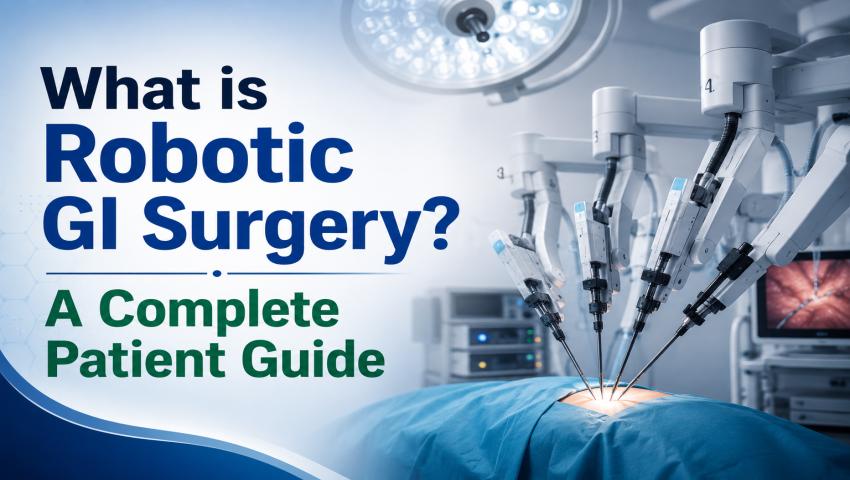
What is Robotic GI Surgery? A Complete Patient Guide
Have you been advised to undergo Robotic GI Surgery, but are unsure what it actually means? Many patients worry when they hear the word “robotic.” A common misconception is that a robot performs the surgery on its own. In reality, robotic surgery is an advanced, surgeon-controlled procedure that offers greater precision, flexibility, and control during complex gastrointestinal operations.
Today, Robotic Gastrointestinal Surgery is transforming the way many digestive disorders are treated. From cancers of the stomach, colon, rectum, liver, and pancreas to hernia repairs and other gastrointestinal conditions, Minimally Invasive GI Surgery has helped patients experience less pain, faster recovery, and smaller scars compared to traditional open surgery.
If you are looking for a trusted Robotic Surgeon in Chennai, Dr Srivatsan Gurumurthy brings over 17 years of experience in advanced gastrointestinal surgery. Practising at SS Surgical Clinic, he specialises in robotic and laparoscopic procedures, helping patients receive personalised treatment using the latest surgical technology.
What is Robotic GI Surgery?
Robotic GI Surgery, also known as Robotic Gastrointestinal Surgery, is an advanced form of Gastrointestinal Surgery performed using a sophisticated robotic surgical system. Although the procedure involves robotic technology, the surgery is completely controlled by a highly trained surgeon. The robot never makes decisions or performs the operation independently.
Unlike traditional open surgery, Robotic-Assisted GI Surgery requires only a few small incisions. As a result, patients often experience less blood loss, reduced pain after surgery, and a quicker return to their normal routine.
Why is Robotic Surgery Preferred for Complex GI Procedures?
Many gastrointestinal conditions involve delicate organs such as the liver, pancreas, stomach, colon, and rectum. These areas contain important blood vessels and nerves that require exceptional surgical precision. This is one of the main reasons why many surgeons prefer Robotic Surgery for GI Disorders, especially when dealing with complex cases.
Compared to conventional surgery, robotic technology offers several advantages:
- Enhanced precision while operating in confined spaces.
- Better control over delicate surgical movements.
- High-definition 3D vision for improved visibility.
- Wristed robotic instruments that provide greater flexibility than the human hand.
- Reduced hand tremors during surgery.
- Improved access to difficult-to-reach areas inside the abdomen.
These features help surgeons perform complex procedures with greater confidence while preserving healthy tissues as much as possible.
Which Gastrointestinal Conditions Can Be Treated with Robotic Surgery?
Robotic GI Surgery can be used to treat a wide range of gastrointestinal (GI) conditions, including:
- Gastrointestinal Cancers – Cancers of the oesophagus, stomach, liver, pancreas, colon, and rectum.
- Inflammatory Bowel Disease (IBD) – Crohn’s disease and ulcerative colitis requiring surgical treatment.
- Esophageal and Stomach Disorders – Gastroesophageal reflux disease (GERD), hiatal hernia, achalasia, and selected stomach disorders.
- Colorectal Disorders – Diverticulitis, bowel obstruction, rectal prolapse, and other colorectal conditions requiring surgery.
- Hepatobiliary and Pancreatic Diseases – Liver tumours, pancreatic tumours, gallbladder diseases, bile duct disorders, and selected pancreatic conditions.
- Hernias – Inguinal, umbilical, incisional, recurrent, and hiatal hernias.
- Benign Gastrointestinal Tumours – Selected non-cancerous tumours affecting the digestive tract.
- Bariatric (Weight Loss) Surgery – Selected obesity-related procedures performed using robotic assistance.
The suitability of robotic surgery depends on several factors, including the patient’s overall health, the stage of the disease, and the surgeon’s evaluation.
Common Types of Robotic GI Surgery Procedures:
Some of the most commonly performed procedures include:
- Robotic Esophagectomy – Performed to treat oesophageal cancer and other severe oesophageal disorders.
- Robotic Gastrectomy – Used for stomach cancer and selected benign stomach conditions requiring partial or complete removal of the stomach.
- Robotic Colectomy – Involves removing part or all of the colon to treat colon cancer, diverticular disease, or inflammatory bowel disease.
- Robotic Rectal Surgery – Performed for rectal cancer and other complex rectal conditions while preserving surrounding nerves and tissues.
- Robotic Liver Resection – Used to remove liver tumours or diseased portions of the liver.
- Robotic Pancreatic Surgery – Includes procedures such as distal pancreatectomy and selected pancreatic tumour surgeries.
- Robotic Cholecystectomy – Removal of the gallbladder for gallstones, gallbladder polyps, or other gallbladder diseases.
- Robotic Hernia Repair – Used to repair inguinal, umbilical, incisional, hiatal, and recurrent hernias with minimal tissue damage.
As an experienced Robotic & Laparoscopic Surgeon in Chennai, Dr Srivatsan Gurumurthy evaluates every patient individually before recommending the most appropriate treatment approach. His focus is always on achieving the best possible outcome while ensuring patient safety and faster recovery.
What Are the Benefits of Robotic GI Surgery?
Some of the key benefits include:
- Smaller Incisions: Unlike traditional open surgery, robotic surgery is performed through a few small cuts. Smaller incisions usually result in less pain and minimal scarring.
- Greater Surgical Precision: One of the biggest advantages of Robotic-Assisted Surgery is its high level of precision. The robotic instruments can perform delicate movements that are difficult to achieve with the human hand alone, making them especially useful for complex gastrointestinal procedures.
- Better Visualisation: The robotic system provides a magnified 3D high-definition view of the surgical area. This allows the surgeon to clearly identify important nerves, blood vessels, and surrounding tissues during surgery.
- Less Blood Loss: Because of improved precision, there is often less bleeding during surgery, reducing the need for blood transfusions in many cases.
- Reduced Pain After Surgery: Patients generally experience less postoperative pain compared to traditional open surgery, which means they may require fewer pain medications.
- Lower Risk of Infection: Smaller incisions and minimal tissue handling can reduce the risk of wound infections and other surgical complications.
- Faster Recovery: Most patients recover more quickly after Minimally Invasive GI Surgery, allowing them to return to their normal daily activities sooner.
- Shorter Hospital Stay: Many patients can go home earlier compared to those undergoing open surgery, depending on the type of procedure performed.
- Better Cosmetic Results: Since the surgery is done through small incisions, the scars are usually smaller and less noticeable.
These benefits make Advanced Robotic Surgery an excellent option for many patients with gastrointestinal disorders. However, the success of the surgery depends on the patient’s condition and the experience of the surgeon.
Robotic GI Surgery vs Laparoscopic Surgery: What's the Difference?
Robotic GI Surgery
- Uses a robotic surgical system controlled by the surgeon
- Offers high-definition 3D vision
- Robotic arms provide greater flexibility and range of motion
- Better suited for complex GI procedures
- Improved precision in confined spaces
- Better ergonomics for the surgeon during long procedures
- Often preferred for advanced gastrointestinal cancer surgeries
Laparoscopic Surgery
- Uses long handheld laparoscopic instruments
- Usually provides a two-dimensional or standard HD view
- Instrument movement is comparatively limited
- Commonly used for routine minimally invasive surgeries
- Precision depends entirely on manual instrument movement
- Can be physically demanding for the surgeon
- Suitable for many standard gastrointestinal operations
It is important to understand that robotic surgery is not a replacement for laparoscopic surgery. Instead, it is an advancement of minimally invasive surgery that provides additional technological advantages for selected patients.
An experienced Robotic & Laparoscopic Surgeon in Chennai can assess your condition and recommend the most appropriate surgical approach based on your diagnosis, overall health, and treatment goals.
Who is a Good Candidate for Robotic GI Surgery?
Not every patient requires robotic surgery. The decision depends on the type of disease, its severity, the patient’s overall health, and the surgeon’s evaluation.
You may be a suitable candidate for Robotic GI Surgery if you have:
- Colon cancer
- Rectal cancer
- Stomach cancer
- Liver tumours
- Pancreatic tumours
- Gallbladder disorders
- Complex or recurrent hernias
- Selected benign gastrointestinal conditions
- Conditions requiring advanced Gastrointestinal Surgery
If you are considering surgery, consulting an experienced Robotic Surgeon in Chennai can help you understand whether robotic surgery is the right choice for your condition.
Is Robotic GI Surgery Safe?
Yes. Robotic GI Surgery is considered a safe and effective surgical technique when performed by a trained and experienced robotic surgeon.
One important fact to remember is that the robot does not perform the operation independently. Every movement of the robotic instruments is completely controlled by the surgeon throughout the procedure.
Modern robotic surgical systems are designed with multiple safety features, allowing the surgeon to perform highly precise movements while maintaining complete control at all times.The likelihood of complications depends on several factors, including the patient’s health, the complexity of the disease, and the surgeon’s expertise.
Dr Srivatsan Gurumurthy has extensive expertise in advanced gastrointestinal procedures. As a trusted Robotic Surgeon in Chennai, he carefully evaluates each patient and recommends the safest and most effective treatment plan based on individual needs.
What Is the Recovery Process After Robotic GI Surgery?
Recovery after Robotic GI Surgery is usually faster than traditional open surgery because it involves smaller incisions and less tissue damage. However, recovery time varies depending on the type of surgery and your overall health.
- Immediately After Surgery: After the procedure, you will be moved to the recovery room, where your vital signs will be monitored. Your doctor may encourage you to start walking early to promote healing and reduce the risk of blood clots.
- During Your Hospital Stay: Most patients undergoing Minimally Invasive GI Surgery can return home within a few days. During your stay, the medical team will monitor your pain, wound healing, bowel function, and overall recovery.
- Returning to Normal Activities: You can gradually resume light daily activities within a few weeks. Avoid heavy lifting and strenuous exercise until your surgeon advises it is safe. Following your doctor’s instructions on diet, medications, and follow-up visits will help ensure a smooth and faster recovery.
Risks or Limitations of Robotic GI Surgery:
Some possible risks include:
- Bleeding and infection
- Anaesthesia-related complications
- Injury to nearby organs or blood vessels (rare)
- Not suitable for every patient; eligibility depends on the medical condition
- In rare cases, the procedure may be converted to open surgery for patient safety
- Successful outcomes depend on the surgeon’s expertise and experience
In some situations, robotic surgery may not be the most suitable option. Factors such as the patient’s overall medical condition, previous abdominal surgeries, severe obesity, or the extent of the disease may influence the choice of surgical approach.
Why Choose Dr. Srivatsan Gurumurthy for Robotic GI Surgery in Chennai?
Choosing the right surgeon is essential for achieving the best outcomes from Robotic GI Surgery. While advanced technology plays an important role, the surgeon’s expertise, precision, and patient-focused approach are equally important.
As a trusted Robotic & Laparoscopic Surgeon in Chennai, he specialises in advanced robotic and minimally invasive procedures for a wide range of gastrointestinal conditions.
Why Patients Choose Dr. Srivatsan Gurumurthy?
- Expertise in robotic and laparoscopic gastrointestinal surgery.
- Specialised treatment for stomach, colon, rectal, liver, pancreatic, gallbladder, and hernia conditions.
- Personalised treatment plans tailored to each patient’s needs.
- Focus on patient safety and evidence-based surgical care.
- Advanced minimally invasive techniques for faster recovery and reduced post-operative discomfort.
- Comprehensive care from diagnosis to post-surgical follow-up.
If you are looking for a Robotic Surgeon in Chennai, consult Dr Srivatsan Gurumurthy at SS Surgical Clinic for an expert evaluation and a personalised treatment plan for your gastrointestinal condition.
Conclusion:
Robotic GI Surgery has transformed the treatment of many gastrointestinal conditions by combining advanced technology with surgical expertise. Compared to traditional open surgery, it offers greater precision, smaller incisions, less postoperative pain, and faster recovery for many patients. However, the right surgical approach depends on your medical condition, overall health, and a thorough evaluation by an experienced surgeon.
If you are experiencing persistent digestive symptoms or have been advised to undergo gastrointestinal surgery, don’t delay seeking medical advice. Early diagnosis and timely treatment can help improve outcomes and support a smoother recovery.
To understand whether Robotic GI Surgery is the right option for you, schedule a consultation with Dr. Srivatsan Gurumurthy, who has over 17 years of experience, at SS Surgical Clinic for a personalised evaluation and expert guidance.
Frequently Asked Questions:
Robotic surgery offers greater precision, 3D visualization, and flexible wristed instruments, often leading to less blood loss, reduced pain, and faster recovery than open surgery. Suitability still depends on the patient’s condition.
Cost varies based on the procedure type, hospital, and surgeon’s expertise. It generally costs more than open surgery due to advanced technology. Consult your surgeon for a personalised estimate.
Yes, when performed by a trained surgeon. The robot never operates independently — every movement is fully controlled by the surgeon, with built-in safety features.
It depends on procedure complexity — simpler surgeries like gallbladder removal may take 1-2 hours, while complex ones like pancreatic or rectal surgery can take longer.
Scarring is minimal since the surgery is done through a few small incisions, unlike open surgery.