- 17/04/2026
- Dr. Srivatsan Gurumurthy
- 0 Comments
- Blog
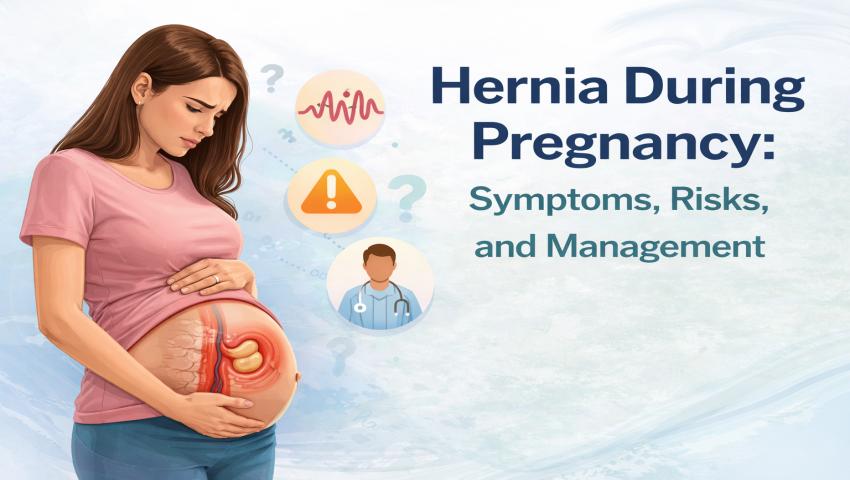
Hernia During Pregnancy: Symptoms, Risks, and Management
Pregnancy brings many changes to a woman’s body. While most of these changes are normal, some can lead to unexpected medical conditions. One such condition is a hernia. Many pregnant women are unaware that they can develop a hernia during this period. Understanding the symptoms, risks, and management options can help you make informed decisions for your health and your baby’s well-being.
If you are looking for expert advice, consult a Best Hernia Surgeon in Chennai like Dr. Srivatsan Gurumurthy can provide the clarity and care you need.
What Is a Hernia?
A hernia occurs when an internal organ or tissue pushes through a weak spot in the surrounding muscle or connective tissue wall. During pregnancy, the growing uterus puts significant pressure on the abdominal muscles. This pressure can cause existing weak spots to give way or create new ones.
Hernias during pregnancy are more common than most people think. Consulting a hernia specialist in Chennai early can help you manage the condition safely and effectively.
Types of Hernias Common During Pregnancy:
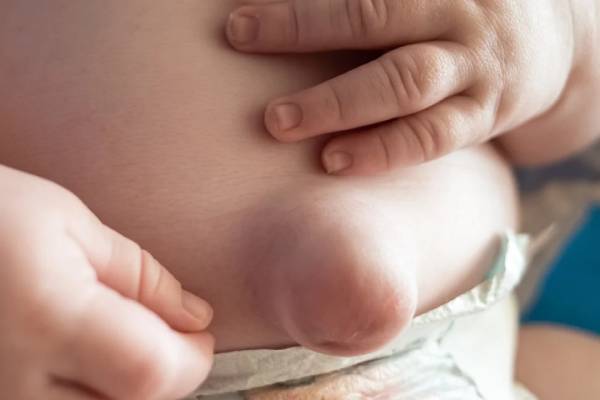
Umbilical Hernia
This is the most common type during pregnancy. The belly button area becomes a weak spot as the abdomen expands. Tissue or part of the intestine can push through near the navel.
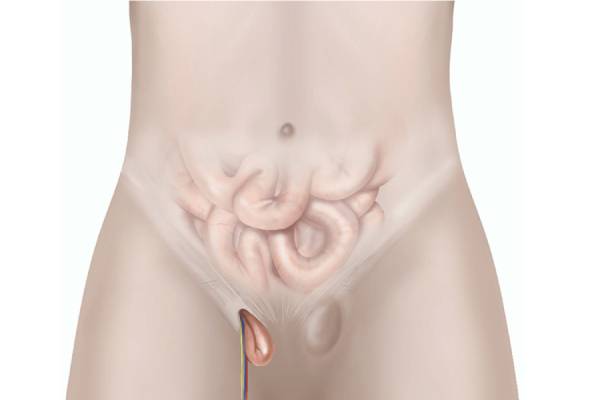
Inguinal Hernia
This occurs in the groin area. It is less common in women but can develop or worsen during pregnancy due to increased abdominal pressure.
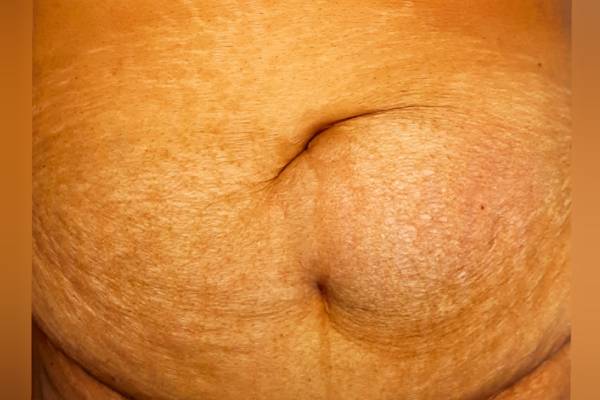
Incisional Hernia
Women who have had previous abdominal surgeries, including C-sections, may develop this type. Scar tissue can weaken over time and allow herniation.
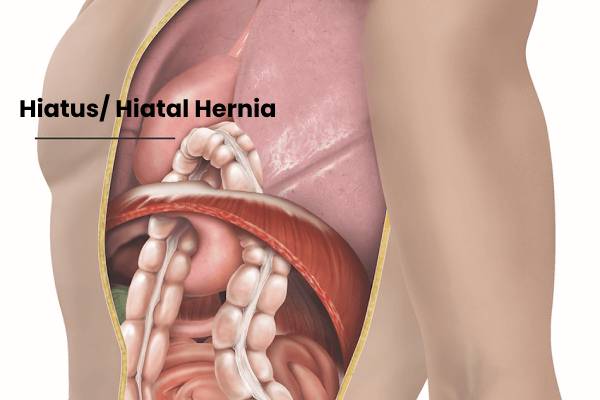
Hiatal Hernia
Part of the stomach pushes into the chest cavity through the diaphragm. Pregnancy-related acid reflux is often linked to this type.
Symptoms of Hernia During Pregnancy:
Recognising the symptoms early is very important. Symptoms can vary depending on the type and severity of the hernia.
Common symptoms include:
- A visible bulge near the navel, groin, or abdomen
- A dull ache or discomfort at the bulge site
- Pain that worsens when coughing, sneezing, or lifting
- A feeling of heaviness or pressure in the abdomen
- Nausea or vomiting in some cases
- Heartburn or acid reflux (in hiatal hernia)
Some hernias are painless and may only be noticed as a soft lump. However, if the hernia becomes hard, tender, or the skin over it turns red or dark, seek immediate medical attention. This could indicate a strangulated hernia, which is a surgical emergency.
Risks of Hernia During Pregnancy:
Most hernias during pregnancy are manageable. However, certain risks need to be monitored carefully.
- Increased pressure: As the baby grows, abdominal pressure increases. This can make the hernia larger and more uncomfortable.
- Strangulation risk: A strangulated hernia occurs when blood supply to the trapped tissue is cut off. This is rare but dangerous and requires emergency hernia repair treatment in Chennai.
- Complications after delivery: In many cases, hernias worsen after a vaginal delivery due to pushing. Women with known hernias should discuss their delivery plan with their surgeon and obstetrician.
- Post-C-section hernia: Previous C-section scars can develop into incisional hernias in subsequent pregnancies. Regular monitoring is essential.
When Should You See a Doctor?
Do not ignore any unusual lump or persistent pain during pregnancy. Early consultation with a qualified gastroenterologist in Chennai or a hernia specialist can prevent complications.
You should see a doctor immediately if:
- The hernia bulge becomes hard and cannot be pushed back
- You experience severe, sudden pain
- You develop fever, vomiting, or nausea alongside the pain
- The skin near the hernia looks discoloured
Dr. S. Srivatsan Gurumurthy, MS, DNB (GI Surgery), FMAS, FMIAS, is a Senior Consultant Surgical Gastroenterologist and Clinical Lead at Apollo Superspeciality Hospital, Teynampet, Chennai. With over 17 years of experience in advanced laparoscopic and robotic GI surgeries, Dr. S. Srivatsan Gurumurthy is one of the most trusted hernia specialists in Chennai. He also consults at SS Surgical Clinic, Mylapore, Chennai.
Management of Hernia During Pregnancy:
Managing a hernia during pregnancy depends on the type, size, and severity of the condition.
1. Conservative Management (Non-Surgical): In most cases, surgery is avoided during pregnancy unless there is an emergency. Conservative options include:
- Hernia support belt or truss: A specially designed support belt can reduce discomfort and hold the hernia in place. Always consult your doctor before using one.
- Avoiding heavy lifting: Reducing strain on the abdominal muscles helps prevent the hernia from worsening.
- Dietary modifications: Eating smaller meals, avoiding acidic foods, and staying upright after eating can help manage hiatal hernia symptoms.
- Gentle exercise: Light walks and prenatal yoga can strengthen core muscles without adding too much pressure.
- Close monitoring: Regular check-ups with both your obstetrician and a hernia specialist are essential throughout pregnancy.
2. Surgical Management: Surgery is generally postponed until after delivery. However, emergency surgery may be necessary in cases of strangulation or obstruction.
If surgery is planned post-delivery, laparoscopic hernia repair is often preferred. It involves smaller cuts, less pain, faster recovery, and minimal scarring. Dr. S. Srivatsan Gurumurthy specialises in advanced laparoscopic procedures and provides world-class hernia repair treatment in Chennai. His expertise in minimally invasive surgery ensures safer outcomes and quicker recovery for patients.
After Delivery: What to Expect?
Many small hernias that develop during pregnancy may reduce in size or disappear after delivery. However, some may persist or grow. It is important to follow up with a hernia specialist after delivery.
If hernia repair surgery is recommended, it is best to wait until you have fully recovered from childbirth. Breastfeeding mothers should also discuss safe anaesthesia and medication options with their surgeon.
Why Choose Dr. S. Srivatsan Gurumurthy for Hernia Treatment In Chennai?
Dr. S. Srivatsan Gurumurthy brings unmatched expertise as a robotic and laparoscopic GI oncosurgeon. He is trained in the da Vinci Si Surgical System and has co-authored 34 research papers in international and national journals. His precision-based approach and patient-centred care make him a leading choice as a gastroenterologist in Chennai for hernia management and treatment.
Whether you need guidance during pregnancy or are planning hernia repair surgery post-delivery, Dr. S. Srivatsan Gurumurthy offers expert consultation at:
🏆 Awards & Achievements:
Travel Grant Award
Best Laparoscopic Paper Presentation at AHPBA 2019, Seoul, South Korea
34 Research Papers
Published in national and international journals including the prestigious Surgical Oncology journal
7 Research Papers
Presented at the 13th IHPBA World Congress, Geneva, Switzerland
Award Paper
The best study comparing Open vs Laparoscopic Pancreaticoduodenectomy at IHPBA 2014, Mumbai
🌟 Why Patients Choose Him?
- Over 17 years of surgical experience
- Senior Consultant at Apollo Superspeciality Hospital, Chennai
- Recognised International Speaker and Faculty at global surgical conferences
- Expert in Robotic and Minimally Invasive Surgery
- Trusted Hernia Specialist in Chennai with focus on low recurrence and fast recovery
Conclusion:
Having a hernia during pregnancy is common and usually manageable. It happens because of increased pressure on the abdominal walls. Most mothers can have a safe delivery and wait until after childbirth for treatment. However, it is important to monitor symptoms like pain or swelling. For expert advice and a safe recovery plan, Consult Dr. Srivatsan Gurumurthy, a leading Hernia specialist in Chennai. With his 17+ years of experience at Apollo Super Speciality Hospital, you will receive the best care. Call 96772 31111 or visit www.drsrivatsan.com to book your visit.